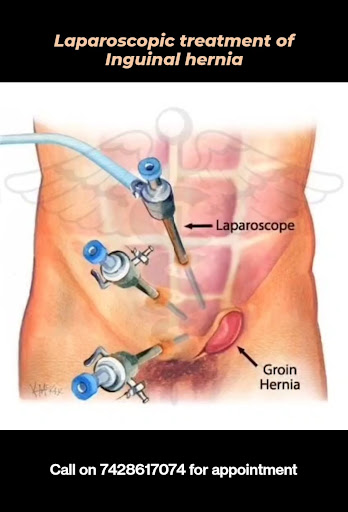
Laparoscopic inguinal hernia surgery is a minimally invasive surgical procedure used to repair a…
Laparoscopic inguinal hernia surgery is a minimally invasive surgical procedure used to repair a hernia in the inguinal (groin) region. In this procedure, a surgeon makes small incisions in the abdomen and inserts a laparoscope, a thin tube with a camera on the end, to visualize the inside of the abdomen. The surgeon then repairs the hernia by placing a mesh patch over the opening in the abdominal wall.
The benefits of laparoscopic inguinal hernia surgery include a shorter recovery time, less pain, and smaller scars compared to traditional open surgery. It is typically performed on an outpatient basis, and patients can usually return to their normal activities within a few days.
There are potential risks and complications associated with any surgical procedure, including laparoscopic inguinal hernia surgery. These may include infection, bleeding, and reaction to the anesthesia. Your surgeon will discuss these risks with you before the procedure and will take steps to minimize them.
If you have a hernia in the inguinal region and are considering surgery, it is important to discuss your options with a qualified surgeon. They can help you understand the benefits and risks of different types of surgery and help you make an informed decision about which treatment is best for you.
For advice, contact Dr Ashish Sachan, MS General Surgery, MCh GI surgery - Consultant at Fortis hospital, Shalimar Bagh, New Delhi